Default is not neutral
Letting the hearing request lapse is a decision, and it results in the suspension taking effect on schedule. No later hire can reopen the window.
Hiring and paying for criminal defense after an impaired driving arrest in Washington State
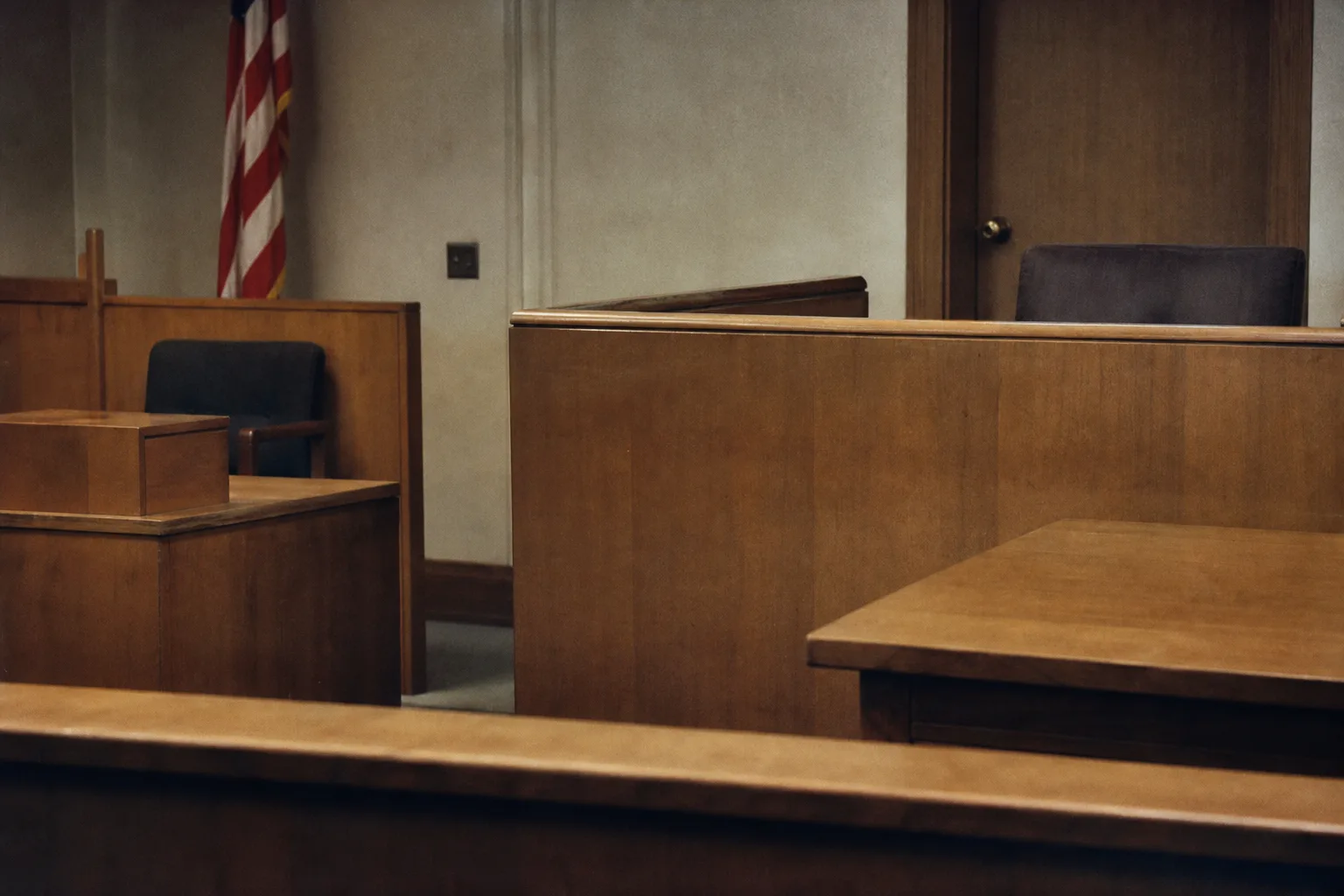
A Washington impaired driving arrest opens a criminal case in district or municipal court and a separate administrative action by the Department of Licensing. They share a police report and almost nothing else.
A Washington impaired driving arrest starts a criminal case and a separate Department of Licensing action, on different clocks, and the second one rarely waits for the first.
The window to request a licensing hearing is counted in days from the date of arrest, not from any court date. It has been amended by the legislature more than once, so verify the current figure rather than relying on older summaries.
The deadline runs from arrest
The paperwork handed over at the end of a Washington impaired driving arrest does two jobs at once, and most people only notice the first. One part tells you when to appear in district or municipal court. Another part, often on the same form or stapled behind it, tells you that your driving privilege is scheduled to be suspended by the Department of Licensing unless you ask for a hearing within a short window measured in days. Those are separate proceedings. They share a police report and nothing else, and the gap between them is where a first arrest usually goes sideways.
The criminal case moves at the pace of a court calendar. Arraignment is typically set a week or two out, pretrial hearings follow at monthly intervals, and a case that ends in a negotiated resolution or a suppression motion commonly runs several months from arrest to disposition. The licensing action runs on its own statutory schedule, and the deadline to request a hearing is counted from the date of the arrest, not from any court date. That deadline has been amended more than once, so the number on last year's blog post may be wrong. The practical consequence is the same in every version: the request can expire before you have met a lawyer.
Missing it does not affect the criminal charge at all. The prosecutor still has to prove the case, and an acquittal or a reduction is still available. What is gone is the only forum in which the suspension itself could have been contested, and the suspension is the piece that changes daily life first. People discover this in the order that hurts most: they hire carefully for the case that is months away, then learn that the license issue was decided by default while they were shopping.
In court, a judge or jury applies proof beyond a reasonable doubt, the rules of evidence apply, and a successful motion to suppress can end the matter. The licensing hearing is an administrative proceeding conducted by a Department of Licensing hearing examiner, usually by telephone, on a written record built largely from the officer's sworn report. The standard is a preponderance of the evidence, the issues are narrow and defined by statute, and the officer often does not appear unless subpoenaed. The National Highway Traffic Safety Administration oversees the federal impaired-driving programs and the standardized field sobriety testing curriculum that sits behind much of that report, which is one reason the same document gets read very differently in the two rooms.
The narrowness cuts both ways. A hearing examiner will not hear an argument about whether a stop was constitutionally justified in the way a judge would, but the examiner does have to find that specific statutory elements were met, and reports fail on those elements more often than people expect. Winning there does not dismiss the charge. It keeps you licensed while the charge is litigated, which is a different benefit and frequently the more valuable one in the first six months.
Price the suspension out before deciding whether the hearing is worth requesting. The hearing itself carries a filing fee set by rule and periodically increased, payable regardless of outcome. Against that, a suspension typically means an ignition interlock device with an installation charge and a monthly monitoring charge that continues for the length of the requirement, an ignition interlock driver's license application, a reinstatement fee at the end, and proof of financial responsibility filed with the state, which in practice means an insurance policy repriced into the high-risk tier for years. Add rides to work in the weeks before an interlock is installed. The arithmetic usually resolves quickly.
Defense firms handle this two ways, and both are legitimate as long as the document says which one you bought. Some quote a single flat fee covering the criminal case and the licensing hearing together. Others quote the criminal case and treat the hearing as a separate engagement with its own fee, on the reasoning that it is a distinct proceeding with a distinct record and a distinct filing cost. Someone calling around for a DUI Lawyer in Bellevue is usually assuming one retainer buys both, and the only way to know is to read the scope paragraph and ask directly whether the hearing request, the subpoena, and the hearing appearance are inside the number.
Ask one more question while you have them: who files the request, and by when. The request can be submitted by the driver personally, and in a week where you have not yet chosen counsel, filing it yourself preserves the option at the cost of the fee. An attorney retained afterward can take the matter over. A deadline allowed to pass cannot be reopened by a better lawyer hired later, and that asymmetry is the whole argument for acting on the licensing side first.
The order in which the two matters proceed has consequences beyond the license. Subpoenaing the officer to the administrative hearing produces sworn testimony months before any court hearing, taken by counsel who has the report in hand, and that transcript exists afterward. Some defense attorneys value it highly as a way to fix an account early. Others prefer not to give the officer a rehearsal. Either judgment is defensible, but it is a judgment somebody should be making deliberately, and it is a fair thing to ask about in a consultation.
Bring both pieces of paper to every consultation, the court notice and the licensing notice, and watch which one the attorney picks up first. The answer tells you a good deal about how the next six months will be organized.
A close reading of a Washington DUI flat fee agreement: which stages the quoted number covers, which sit outside it, and how the refund clause behaves when a case ends early.
The same discovery packet and the same breath reading can draw wildly different fee quotes, and the spread usually tells you what each firm plans to actually do.
How indigency screening works in King County, what caseload limits changed, why the license hearing sits outside the appointment, and when private counsel buys less than it looks like.
Letting the hearing request lapse is a decision, and it results in the suspension taking effect on schedule. No later hire can reopen the window.
The criminal charge requires proof beyond a reasonable doubt before a judge or jury. The licensing hearing is decided by a hearing examiner on a preponderance of the evidence.
Administrative hearings are commonly conducted by phone on a written record built from the officer's sworn report. The officer frequently does not participate unless subpoenaed by the driver's attorney.